Driving Sustainable Energy
for a better tomorrow

Products

Media center

  • Newsroom

  • Blog

OCI Power Signs MOU with KEPCO to Strengthen the Competitiveness of Korea’s Solar Inverter Industry
Newsroom

OCI Power Signs MOU with KEPCO to Strengthen the Competitiveness of Korea’s Solar Inverter Industry

Six manufacturers affiliated with the Korea Solar Inverter Industry Association participate in joint R&D and infrastructure development to strengthen technological capabilities ▲ OCI Power and KEPCO signed an MOU to strengthen the competitiveness of Korea’s solar inverter industry. ⓒ OCI PowerOCI Power announced on August 24 that it had signed an MOU on Strengthening the Competitiveness of Korea’s Solar Inverter Industry with Korea Electric Power Corporation (KEPCO) and domestic solar inverter manufacturers at the launch ceremony of KEPCO Technology Holdings, held at KEPCO’s headquarters on August 7.The agreement was signed by six manufacturers affiliated with the Korea Solar Inverter Industry Association, including OCI Power. Representing OCI Power, CEO Kim Seong-yeop signed the agreement.Under the MOU, KEPCO and the participating companies will collaborate on a range of initiatives, including ▲Joint R&D to strengthen solar inverter technology ▲Improvements to policies and systems to promote the industry ▲Support for certification costs and development of testing and demonstration infrastructure ▲Exchange of information on new technologies in Korea and overseas.Through these initiatives, the parties aim to strengthen the technological competitiveness of domestically manufactured solar inverters and establish a foundation for improved grid interconnection stability and enhanced communications and control security.Based on its domestic R&D and manufacturing capabilities, OCI Power develops and manufactures solar inverters and PCS for ESS in-house.Kim Seong-yeop, CEO of OCI Power, said “Solar inverters are key equipment that connects power generation facilities to the electrical grid, as well as strategic assets that support energy security. Based on our domestic R&D and manufacturing capabilities, OCI Power will actively contribute to advancing Korean inverter technology and strengthening the competitiveness of Korea’s energy infrastructure.”Source: 뉴데일리 (NewDaily)

View Details
OCI Power Completes Performance Verification of Solar Inverters at a Large-Scale Floating Solar Power Plant, Demonstrating Grid Stability
Newsroom

OCI Power Completes Performance Verification of Solar Inverters at a Large-Scale Floating Solar Power Plant, Demonstrating Grid Stability

 OCI Power, led by CEO Kim Seong-yeop, recently completed an Inverter Level Test to verify the grid interconnection performance of its proprietary solar inverters at large-scale floating solar power plants, the company announced on August 30.An Inverter Level Test is a mandatory test conducted before commercial operation to verify whether electricity generated by a solar power plant can be stably connected to the power grid. The test comprehensively evaluates whether the inverter can appropriately control parameters such as voltage and reactive power in response to changes in grid conditions and power generation, thereby maintaining grid stability.From April to June, OCI Power conducted tests at two large-scale floating solar power plants. The company verified the control performance of both the overall power generation complex and individual inverters, examining key functions required for grid interconnection, including: Power flow control across the power plant, Reactive power control, Power factor control, Q(V) control.According to the company, the tests confirmed that its proprietary solar inverters can maintain stable power control performance even in large-scale power generation environments. In particular, the inverters demonstrated their ability to maintain stable voltage and control the overall output of the power plant despite changes in grid operating conditions, establishing a technical foundation for commercial operation.An OCI Power representative said: “By successfully completing the inverter-level tests at large-scale power plants, we have established a foundation for stable commercial operation. We will continue to strengthen the competitiveness of domestically manufactured solar inverters through ongoing technology verification and quality improvements, while contributing to the stable expansion of renewable energy.”Source : 전기신문 (Electimes)

View Details
OCI Group Expands Its Presence in the U.S. Solar Market as Its Inverter Subsidiary Joins North America’s Largest Energy Exhibition
Newsroom

OCI Group Expands Its Presence in the U.S. Solar Market as Its Inverter Subsidiary Joins North America’s Largest Energy Exhibition

(Herald Economy Reporter Park Hye-won)OCI Power to Participate in RE+ 2026 in the United StatesJoining OCI’s Integrated Booth to Raise Brand Awareness Ahead of U.S. Market Expansion[Image generated using ChatGPT][Herald Economy = Reporter Park Hye-won] As electricity demand driven by artificial intelligence (AI) continues to surge, OCI Holdings’ affiliates are stepping up their efforts to expand in the U.S. solar market. Alongside investments in facilities by OCI Holdings’ U.S. solar business entities, OCI Power, an inverter manufacturer that has primarily focused on the Korean market, is also moving to accelerate its entry into the U.S. market.According to industry sources on August 24, OCI Power, an OCI Holdings affiliate specializing in solar inverters, will participate in RE+ 2026 in the United States for the first time this year. RE+ is the largest renewable energy exhibition in North America, with 995 companies expected to participate this year.Mission Solar Energy (MSE), OCI Holdings’ U.S. solar business entity, has participated in the exhibition every year together with key affiliates that have already established a presence in the U.S. market, including OCI Power and OCI Terrasus.OCI Power began supplying inverters to U.S. solar projects in 2013 and has continued to expand its equipment business in the market. This year, the company plans to further strengthen its sales activities, including the launch of new products. An OCI representative said: “Through collaboration among OCI affiliates, we plan to increase brand awareness and strengthen synergies in the U.S. market.”Alamo 1 solar project in Bexar County, San Antonio, Texas, operated by OCI Energy in the United States. [Provided by OCI Holdings]OCI Holdings’ aggressive expansion into the U.S. market comes as solar power emerges as a key energy source amid the surge in electricity demand driven by AI. While investment in the AI industry is rapidly increasing in the United States, the country faces challenges in securing sufficient electricity to support this growth. As a result, solar power is attracting attention as a relatively low-cost and rapidly deployable source of electricity.Source : 헤럴드경제 (Herald Economy)

View Details
Keeping Solar Power Running Without Interruption: Opening a New Chapter for Self-Consumption Solar Through Reverse Power Flow Control
Newsroom

Keeping Solar Power Running Without Interruption: Opening a New Chapter for Self-Consumption Solar Through Reverse Power Flow Control

OCI Power and Enerdot Jointly Develop Real-Time Automatic Control Technology Without Interrupting Power GenerationSoftware-Based Control Overcomes the Limitations of Physical Shutdowns, Improving Grid Stability and Reducing Operational Losses97% Output Tracking Verified and Platform Integration Commercialized, Expanding Service Competitiveness ▲ Lim Seong-taek, Head of OCI Power’s Research Institute (left), and Jang Jin-wook, Head of Enerdot’s Research Institute (right), explain the demonstration results of the reverse power flow control solution. [Photo: Jin-hoo Kim]A technology that addresses the issue of reverse power flow from solar power systems through control rather than shutdown has been demonstrated for the first time in Korea. Unlike conventional output curtailment methods, which shut down equipment when reverse power flow is detected, the new approach keeps the solar power system operating while precisely adjusting its output. By addressing the seemingly conflicting objectives of grid stability and energy utilization simultaneously, the technology is expected to reduce operational losses and inefficiencies while opening new possibilities for the wider adoption of self-consumption solar power.In a recent interview with The Electrical Times, Lim Seong-taek, Head of OCI Power’s Research Institute, and Jang Jin-wook, Head of Enerdot’s Research Institute, explained the background behind the technology.“As self-consumption solar systems become more widespread, there are clear limitations to addressing reverse power flow solely through physical shutdowns.”The reverse power flow control technology jointly developed by the two companies is a prediction-based solution that automatically adjusts inverter output in real time to prevent reverse power flow from occurring in self-consumption solar systems.The system uses the actual electricity consumption of factories and buildings as a reference and controls solar output so that it does not exceed on-site demand. By responding through software before reverse power flow occurs, the system can maintain power generation rather than shutting down the equipment. The key feature is its ability to adjust output only to the minimum level required.The technology was demonstrated last year at a 215 kW self-consumption solar installation in Korea. It was the first case in the Korean solar market in which a reverse power flow control solution was deployed and operated at an actual site. The demonstration achieved output tracking of approximately 96–97% relative to electricity consumption, while solar power accounted for 29% of total daily electricity consumption.Because self-consumption solar systems are contracted on the assumption that electricity will not be exported to the grid, excess electricity flowing into the distribution network can result in contract violations and penalties. Unexpected reverse power flow can also cause protection relay malfunctions and equipment damage, and in severe cases may increase the risk of grid instability or power outages. This issue is particularly relevant to factories, where electricity consumption can differ significantly between weekdays and weekends. During holidays, electricity consumption can drop sharply while solar generation continues, increasing the possibility of reverse power flow.The problem is that conventional solutions have largely relied on shutdowns. When reverse power flow is detected, a circuit breaker trips in response to a protection relay signal, immediately stopping the system. While this approach ensures grid safety, system recovery depends entirely on manual intervention. If a physical trip occurs over a weekend or holiday and is not detected immediately, the equipment may remain offline for an extended period, resulting in accumulated generation losses.Lim Seong-taek, Head of OCI Power’s Research Institute, explained: “The limitation of conventional reverse power flow prevention is not a technological problem but an operational one. Although grid safety can be secured, losses continue to occur because subsequent operation depends on manual intervention.”The newly developed technology addresses this issue through automatic control. It collects and processes electricity consumption and generation data in real time and adjusts the output of multiple inverters either simultaneously or individually.Jang Jin-wook, Head of Enerdot’s Research Institute, said: “The key is to make the output follow electricity consumption instead of shutting down the power generation system. Predictive control is applied to prevent reverse power flow even when loads change rapidly.”Control is performed at the site level. A Remote Terminal Unit (RTU) collects and analyzes data at one-second intervals and also executes control commands. This means that the reverse power flow prevention function remains operational even if a communication failure occurs. Once communication is restored, control history and data are automatically reflected on the platform. Existing reverse power relays and circuit breakers based on conventional protection standards remain in place as the final layer of safety protection.The system also features an algorithm capable of simultaneously or individually adjusting the output of multiple inverters, providing advantages in terms of versatility and grid responsivenessThis technological shift could also affect the role of self-consumption solar in the energy market. Self-consumption solar systems have traditionally been viewed as a means of supplementing on-site electricity consumption without interacting with the grid. However, with precise control and data-driven operation, they could evolve into energy management assets. As industrial electricity prices remain higher than SMP and REC prices in certain market conditions, self-consumption solar is becoming more than a cost-saving measure—it is increasingly becoming part of corporate energy strategies. For companies operating self-consumption solar systems, the resulting data can also serve as a basis for internal reporting and investment decisions.With further regulatory development, self-consumption facilities could potentially evolve into prosumers that trade surplus electricity. The technology could also serve as a foundation for the expansion of VPPs (Virtual Power Plants) and EMS (Energy Management Systems).Jang Jin-wook explained: “Until now, self-consumption solar systems have lacked effective ways to systematically demonstrate how much electricity and cost they have actually saved. Through our platform, we plan to visualize and provide data on the share of solar power in total electricity consumption, cost savings before and after installation, and self-consumption performance by time of day.”The two companies are also developing a joint sales strategy. The plan is to equip inverters with basic control functions while maximizing the value of the solution through platform integration. OCI Power will contribute its equipment competitiveness, while Enerdot will provide its predictive control and platform capabilities. Together, the companies aim to address the self-consumption solar market as well as emerging centralized energy management systems.Distributing power generation across different time periods through output control could also help reduce grid congestion and expand the capacity for renewable energy interconnection.Lim Seong-taek added: “Self-consumption solar has now moved beyond simply asking how much capacity can be installed. The focus is shifting toward how reliably existing systems can be operated. When output control based on actual consumption becomes established, self-consumption solar can evolve beyond a simple cost-saving measure into a sustainable energy management model.”Source : 전기신문 (Electimes)

View Details
OCI Power CEO Kim Seong-yeop: “The Chinese Dominance of Solar Inverters Makes Localization a Matter of Survival”
Newsroom

OCI Power CEO Kim Seong-yeop: “The Chinese Dominance of Solar Inverters Makes Localization a Matter of Survival”

Chinese Companies Have Effectively Taken Over Korea’s Solar Value ChainMandatory Use of Korean-Made Products in Public Procurement Is EssentialOCI Power Develops and Manufactures Large-Scale Central Inverters In-HouseExpanding BIPV Supply for Distributed Renewable Energy and Urban Applications“Chinese solar inverter companies entering the Korean market are not here simply to make money in the short term. They are entering the market to clear excess inventory produced in China by aggressively lowering prices and triggering a price war in Korea. If Korean companies eventually withdraw from the market due to chronic losses and a monopoly structure is established, there may be little the Korean government can do when replacement prices are subsequently raised.”Kim Seong-yeop, CEO of OCI Power, issued this warning in an interview with Edaily held at OCI Building in Jung-gu, Seoul, on the 23rd. He warned that unless effective measures, such as mandatory use of domestically manufactured components, are implemented in a timely manner, not only small and medium-sized component manufacturers but also the remaining Korean solar companies could face difficulties surviving. “If the current trend continues, we could lose not only the possibility of developing ‘sovereign inverters’ but the entire solar value chain to China.”▲ Kim Seong-yeop, CEO of OCI Power, during an interview with Edaily on the 23rd. [Photo: In-kwon Bang, Edaily]Developing Central Inverters In-House to Compete with Chinese ProductsThe Korean government has recently taken measures in response to growing concerns that the domestic solar ecosystem is being undermined by Chinese products. To prevent cases in which Chinese-made inverters are relabeled and presented as domestic products using Korean components, the government plans to provide additional points in public procurement when products have a high proportion of domestically manufactured components. However, some industry observers argue that such measures remain insufficient because they are largely advisory in nature and because the domestic solar ecosystem has already lost competitiveness in areas such as technology and pricing.Kim said: “It is extremely difficult for Korean manufacturers to compete with Chinese inverter prices, which benefit from economies of scale, lower labor costs, and low production prices, even if we manufacture in Southeast Asia. Although the government has finally begun preparing measures, it needs to implement effective policies that would make the use of Korean-made inverters mandatory, at least for public projects, while significantly expanding support.”The solar power industry spans the value chain from polysilicon → ingot → wafer → cell → module → inverter. After domestic supply chains for wafers, cells, and modules were weakened by low-cost Chinese products, Chinese manufacturers have also come to account for an estimated 90% of the domestic solar inverter market. Against this backdrop, OCI Power is focusing on the development and in-house manufacturing of central inverters, rather than the small-scale string inverters that Chinese manufacturers primarily focus on.Kim explained: “Our central inverters meet grid interconnection standards tailored to the characteristics of the Korean power system. We also have advantages in rapid technological response through our domestic R&D and manufacturing resources, as well as maintenance through our domestic service personnel. We are doing our best to secure a competitive advantage in the inverter market by working together with small and medium-sized companies with which we have mutually beneficial relationships.”Regarding security concerns surrounding Chinese-made inverters, including potential backdoors and overseas transmission of data, Kim emphasized the need for stronger security measures.“Data showing domestic power generation patterns could potentially be transmitted to remote servers, or communications could be carried out without clearly identifying the manufacturer or operator. This could pose a serious threat to domestic power grid management. While it is important for individual companies to strengthen their internal security architectures, the government also needs to establish a system requiring rigorous security certification.”U.S. Sales Expected Next Year, with Solutions Linked to Edge Data CentersOCI Power plans to expand beyond the Korean market and accelerate its entry into the U.S. market next year. In the central inverter business, the company is preparing maintenance services for large-scale solar projects it carried out in the United States more than a decade ago, while also preparing to launch new products for the U.S. market in the second half of the year.Kim said: “When we carried out a solar power project in Texas in the early 2010s, we installed approximately 1 GW of central inverter capacity. Those projects are now reaching the maintenance stage, creating sales opportunities. Once we obtain certification from Underwriters Laboratories (UL) in the United States next year, we expect sales of new products for the U.S. market to begin in earnest in the second half of the year.”Since introducing Korea’s first central solar inverter to the market in 2012, OCI Power has continued to develop technologies and business capabilities in key power conversion equipment, including central inverters, PCS, and PowerStack, making it one of the few Korean companies maintaining a presence across these areas. The company also plans to actively pursue new businesses that could become future growth drivers.Kim said: “We see opportunities in renewable energy generation linked to edge data centers, a distributed renewable energy model in which electricity is generated, stored, and controlled near data centers rather than through centralized power generation. We are preparing integrated solutions for this market.Kim Seong-yeop, CEO of OCI PowerSource : 이데일리 (Edaily)

View Details
PV & ESS Leaders Club:
Newsroom

PV & ESS Leaders Club: "Let’s Revitalize the Industry Through Collaboration, Transformation, and Innovation”

[Industry News | Reporter Jeong Han-kyo] Following last year’s gathering, CEOs of leading domestic and international solar PV and ESS (Energy Storage System) companies came together once again. After strengthening industry collaboration through their first meeting last year, this year’s event provided an opportunity to share strategies for “reorganization, transformation, and growth” in the rapidly changing energy market and reaffirm their commitment to mutual growth.Participants of the 2025 PV & ESS Leaders Club Business Exchange pose for a commemorative photo. [Photo: Industry News]Since January 2024, Solar Today and Industry News have been conducting a monthly relay interview series featuring CEOs of leading Korean companies contributing to carbon neutrality and digital transformation and leading their respective industries under the theme “Change The World.”Now in its second year, the PV & ESS Leaders Club Business Exchange selected a total of 24 CEOs of major solar PV and ESS companies, beginning with Jong-hwan Park, CEO of HD Hyundai Energy Solutions, in January 2024 and concluding with Nan-gu Wi, CEO of Grand Sun Technical Group, in December 2025.Accordingly, the 2025 PV & ESS Leaders Club Business Exchange, held on the 9th at the 63 Building in Yeouido, Seoul, was attended by CEOs who had participated in the 2024 interview series, including Ahn Byung-jun, CEO of Solarplay (August); Lee Sang-gon, CEO of BME (September); Kang Tae-young, CEO of BA Energy (October); Kim Hee-sung, Chairman of Bright Energy Partners (BEP) (November); and Shin Dae-hyun, CEO of Daeyeon C&I (December).The event was also attended by leaders featured in the 2025 interview series, including Jeong Chang-kwon, CEO of Incell (January); Kim Jung-sik, CEO of Sollab (February); Kim Ho-seop, Country Manager of Sungrow Power Korea (March); Lee Jae-myung, CEO of Daegun Soft (April); Han Min, CEO of EtaSolar (May); Chin Yuan, Head of the Digital Power Business Division at Huawei Korea (August); Kim Seong-yeop, CEO of OCI Power (September); Jeong Seong-won, CEO of SDN (October); and Lee Jin-seop, CEO of SG Energy (November).Park Jong-hwan, CEO of HD Hyundai Energy Solutions (January 2024); Lee Ji-sun, CEO of Shinsung E&G (February 2024); Ahn Ji-young, CEO of Soul Energy (April 2024); Kim Seong-kwon, CEO of SPV (May 2024); Kwon Oh-hyun, CEO of Haezum (June 2024); Keum Man-hee, CEO of Dasstech (July 2024); Yoo Jae-yeol, Executive Vice President of Hanwha Solutions Qcells Division (June 2025); Lee Young-ho, CEO of Enelton (July 2025); and Wi Nan-gu, CEO of Grand Sun Technical Group (December 2025) were unable to attend due to personal circumstances.Recently, the Korean renewable energy market has been focusing on emerging issues such as discussions on opening the electricity market, reforms to the ESS system, and the expansion of AI-based energy management solutions such as VPPs and EMS. Against this backdrop, participants agreed that the industry needs to join forces and develop strategies to respond to mounting challenges caused by the domestic economic slowdown and changes in global supply chains. The 2025 PV & ESS Leaders Club Business Exchange was held on the 9th at the 63 Building in Yeouido, Seoul. [Photo: Industry News]Shin Dae-hyun, CEO of Daeyeon C&I, who was the first to introduce himself, said, “Looking back on this year, I realized that the more difficult things become, the more we have to rely on our employees. Daeyeon C&I, founded in 1998, continues to work hard to keep moving forward. I would appreciate your continued support and advice so that our company can continue to grow.”Lee Jae-myung, CEO of Daegun Soft, said, “2025 was another difficult year for us, but we intend to move forward with renewed energy as we look ahead to next year. We believe AI-based forecasting solutions will be key to increasing profitability and securing stability in the future, and we are continuing our efforts to expand these solutions across our entire system.”Kim Ho-seop, Country Manager of Sungrow Power Korea, said, “The year before last was difficult, last year was difficult, and this year has been difficult as well. It always seems to be difficult. Nevertheless, I hope that together with all the CEOs gathered here, we can work toward building a healthy market in Korea.”Ahn Byung-jun, CEO of Solarplay, said, “Although Solarplay, originally a development and construction company, had planned to transition its business toward operating power generation projects, we decided to move forward once again in order to contribute to the national goal of expanding renewable energy.”He added, “One of my goals as Chairman of the Korea Solar Energy Association is to increase the number of member companies to 200. I would appreciate your interest and support so that we can speak with a stronger collective voice.”Kim Jung-sik, CEO of Sollab, said, “The solar industry will remain an important topic as long as humanity continues to exist. Sollab is continuously working to advance technology so that the solar industry can continue to grow sustainably.”Kim Hee-sung, Chairman of Bright Energy Partners (BEP), said, “There have been many discussions about solar power, but over the past 10 to 20 years, solar has ultimately accounted for a significant portion of renewable energy deployment. Solar is a field that quietly does what it needs to do, and we will continue to contribute to achieving net zero in Korea based on this foundation.”Kang Tae-young, CEO of BA Energy, said, “This year was the year we achieved our goal of entering overseas markets, which we had set last year. Next year, we intend to expand our customer base across the entire battery value chain.”Lee Sang-gon, CEO of BME, said, “This year has been one of rapid change both domestically and internationally, particularly in the political sphere. We expect the solar industry to improve positively next year, and BME will also work hard to support this growth.”Lee Jin-seop, CEO of SG Energy, said, “The BIPV market is growing significantly following the mandatory zero-energy building requirements introduced in 2025. By around 2027, the market could grow to ten times its current size. SG Energy, which currently holds the largest market share, is working to contribute further to the growth of the BIPV market.”Jeong Seong-won, CEO of SDN, said, “It is an extremely challenging time for domestic module manufacturing. We have experienced ups and downs over the past several years due to competition with imported modules, but inquiries about Korean-made modules have increased again under the current government. I expect domestic modules to gain further momentum next year.”Chin Yuan, Head of the Digital Power Business Division at Huawei Korea, said, “The Korean solar market is one of the toughest markets. Huawei has opportunities to collaborate not only in solar and ESS, but also in areas such as data centers, AI, and EV charging. We hope to work with many companies to support Korea’s achievement of carbon neutrality.”Han Min, CEO of EtaSolar, said, “Rapid changes are taking place in new markets such as ESS and BIPV as well as solar. It is becoming increasingly difficult to adapt as the pace of market change accelerates, and I hope companies can collaborate to create new opportunities in these emerging markets.”Kim Seong-yeop, CEO of OCI Power, said, “The domestic solar market has been very challenging recently. We believe that preparing for the next 20 years is more important than ever, which is why we are expanding our network. The company can grow together only when the ecosystem grows. OCI Power wants to contribute to the growth of the ecosystem.”Finally, Jeong Chang-kwon, CEO of Incell, said, “The previously stagnant ESS market is beginning to regain momentum. Incell aims to support this growth through immersion-cooled ESS solutions designed with enhanced safety.”Following last year, Industry News once again met with CEOs of companies leading the renewable energy industry in 2025, providing a platform for collaboration and innovation in a rapidly changing energy market. The PV & ESS Leaders Club, which brings together leaders driving change in the solar and ESS industries, will continue in 2026.Source : 인더스트리뉴스 (IndustryNews)

View Details
Energy and Grid Security Bring Industry Together: Korea’s First Solar Inverter Manufacturers’ Alliance Officially Launched
Newsroom

Energy and Grid Security Bring Industry Together: Korea’s First Solar Inverter Manufacturers’ Alliance Officially Launched

The need to protect Korean technology is gaining attention as Chinese products account for more than 80% of the marketSupply chain restructuring emerges as a key issue amid the government’s strengthened NDC and concerns over grid stabilityIndustry players begin discussions on joint strategies to strengthen the domestic solar inverter industryRepresentatives of Korean inverter manufacturers pose for a commemorative photo following the launch of the industry association. [Photo: OCI Power]As concerns grow over the increasing penetration of foreign-made equipment and grid security amid the expansion of renewable energy, the strategic value of domestically manufactured solar inverters is once again gaining attention. In response, Korean inverter manufacturers have formed an alliance for the first time and begun joint efforts to protect technological sovereignty and strengthen the domestic industrial base.The Korea Solar Inverter Industry Association (tentative name) held its first kick-off meeting on the 18th at OSCO in Cheongju, Chungcheongbuk-do, officially launching a joint response framework for the domestic inverter industry. Seven companies participated in the association: OCI Power, DASSTECH, ECOS, Dongyang E&P, DIK, Kumbi Electronics, and Inno Electric. All seven companies develop and manufacture solar inverters using their own technologies in Korea.The launch marks the first official alliance among industry players amid growing calls for the preferential adoption of domestically manufactured products in equipment procurement by the government and public institutions. The association aims to identify practical policy alternatives and discuss strategies for the survival and growth of Korean manufacturers amid rapidly changing conditions in the renewable energy market.The crisis facing Korea’s inverter industry is also evident in market statistics. The domestic market is estimated to be worth up to KRW 1 trillion annually, with more than 80% currently occupied by foreign-made products, primarily from China. Including simple ODM products, the foreign share is estimated to approach 90%. With foreign products having penetrated most market segments except for single-phase products and certain procurement areas, concerns have been raised that Korea’s domestic technology base is rapidly weakening.These developments have also raised concerns from the perspective of grid security. In recent cases overseas, unauthorized communication modules were reportedly discovered in Chinese-made inverters and battery equipment, raising concerns over the possibility of unauthorized control or firewall bypasses and fueling debate over grid stability. Solar inverters are not simply power conversion devices; they also perform critical functions such as measuring power generation, controlling the power system, and real-time monitoring. As a result, equipment reliability is increasingly regarded as a direct component of energy security. The Korea Solar Inverter Industry Association holds its kick-off meeting. [Photo: OCI Power]Against this backdrop, the government’s policies to expand solar power are expected to mark a major turning point. At a plenary meeting of the 2050 Carbon Neutrality and Green Growth Commission, the government presented a strengthened 2035 national greenhouse gas reduction target, raising the power sector’s reduction target to 68.8–75.3%. It has also established plans to deploy 100 GW of renewable energy by 2030, including 80 GW of solar capacity. With the current domestic installed capacity standing at approximately 27 GW, more than 10 GW would need to be installed annually over the next five years, highlighting the simultaneous need for supply chain restructuring and localization strategies.Despite this, the domestic inverter industry has historically had a relatively weak collective voice. The association shares the view that the existing solar business structure has repeatedly favored ODM inverters based on supply chain considerations, while individual manufacturers’ concerns have not been effectively consolidated into common industry demands.Based on this shared understanding, the association plans to pursue practical activities beginning with the kick-off meeting, including participation in policy discussions, consolidation of industry opinions, and joint proposals to the National Assembly and government. It will also gradually review measures to strengthen the domestic inverter industry, including changes to power grid policies, improvements to the KS certification system, and enhancements to public procurement standards.Source : 전기신문 (Electimes)

View Details
[OCI Power News] CEO Seong-yeop Kim Proposes Solutions Integrating AI Data Centers and Renewable Energy
Newsroom

[OCI Power News] CEO Seong-yeop Kim Proposes Solutions Integrating AI Data Centers and Renewable Energy

Seong-yeop Kim, CEO of OCI Power, participated as a panelist and speaker at the Cloud & Datacenter Convention, held at COEX on September 19, and the AI DC SEMINAR, hosted by SK Group on September 22, respectively. At both events, he proposed renewable energy-based solutions to address the growing electricity demand from data centers driven by the rapid expansion of AI. Seong-yeop Kim, CEO of OCI Power, speaking during a panel discussion at the Cloud & Datacenter Convention (second from right).During the panel discussion at the Cloud & Datacenter Convention, CEO Kim identified the speed, scalability, and sustainability of modular data centers as their key competitive advantages. Compared with conventional data centers, modular data centers can be built within a matter of months, can be expanded incrementally as demand increases, and can be flexibly integrated with renewable energy infrastructure such as solar power and energy storage systems (ESS). Seong-yeop Kim, CEO of OCI Power, speaking at the AI DC SEMINAR. In his presentation at the AI DC SEMINAR, CEO Kim highlighted the inevitability of transitioning to clean energy as data center electricity demand surges with the adoption of AI. He shared examples of the latest technology transitions, including global IT companies’ RE100 strategies, stronger environmental regulations for data centers in Korea, and liquid cooling technologies, stating: “A new level of energy supply and demand strategy is needed at the intersection of AI and ESG.”CEO Kim concluded by emphasizing: “Based on our accumulated expertise in renewable energy and power infrastructure, OCI Power will provide eco-friendly, ultra-high-efficiency data center solutions tailored to the AI era, while pursuing both ESG and technological innovation.”

View Details
[PV·ESS Leaders Club 21] OCI Power CEO Seong-yeop Kim: “Building a Global Integrated Energy Platform Company Based on Korean Inverter Technology”
Newsroom

[PV·ESS Leaders Club 21] OCI Power CEO Seong-yeop Kim: “Building a Global Integrated Energy Platform Company Based on Korean Inverter Technology”

[Industry News | Reporter Lee Geon-oh] As RE100 and carbon neutrality become essential conditions for the survival of industries worldwide, inverters are emerging as strategic assets directly linked to energy security, serving as the “brain” of power plant operations.At the center of this transformation, OCI Power is targeting the global market as a Korean inverter company with fully vertically integrated capabilities spanning R&D, manufacturing, and maintenance, while expanding its business into areas such as BESS, PCS, and BIPV. Seong-yeop Kim, CEO of OCI Power, said,“Solar power is becoming a mainstream energy source for industry rather than simply a complementary source.The selection and management of inverters, which serve as the brain of a solar power plant,can determine the success or failure of a project.” [Photo: Industry News]Seong-yeop Kim, who leads OCI Power, still describes himself as a “follower.” Constantly learning and asking questions, he seeks insights for management through history and philosophy, embodying the qualities of both a learning-oriented leader and a reflective executive.Kim said, “Solar power is becoming a mainstream energy source for industry rather than simply a complementary source. The selection and management of inverters, which serve as the brain of a solar power plant, can determine the success or failure of a project.”He continued, “Based on our high-efficiency central inverter technology, we are focusing on building an energy platform that integrates advanced operational solutions such as BESS, AI-based predictive maintenance, and remote monitoring.”As part of its annual CEO interview series with leaders in the solar and ESS industries, Industry News highlights the voices of industry leaders and shares their strategies and visions for the development of the sector. This month’s featured executive is Seong-yeop Kim, CEO of OCI Power.What is the biggest issue facing the solar industry this year?I believe the biggest issues facing the solar industry this year are integrated energy transition, the full-scale realization of carbon neutrality, and sovereign inverters.First, in both domestic and international markets, the integration of BESS (Battery Energy Storage Systems) to overcome the intermittency of solar power and stabilize the grid, together with smart inverter technology and AI-based power plant operation solutions, is rapidly becoming an industry standard. Solar power plants are evolving beyond simple electricity generation facilities into “smart energy platforms” in which inverters, BESS, and AI-based predictive systems are organically integrated.Second, the global adoption of mandatory ESG disclosure requirements and the implementation of RE100 have become conditions for survival not only for large corporations but also for entire industries and their supply chains. Solar power is no longer simply a “complementary source”; it is becoming a mainstream energy source for industry, driving investment and market expansion across data centers, EVs, large manufacturers, and both the private and public sectors.Third, although high-efficiency, high-reliability inverters do not account for the largest share of industry revenue, their selection and management as the “brain” of a power plant can determine the success or failure of a project. In particular, awareness has strengthened more than ever that securing data generated from power plant operations and ensuring inverter sovereignty are directly connected to energy security.What have you emphasized most since taking office as CEO of OCI Power?We are focusing our capabilities on becoming an innovative energy transition solutions company centered on creating customer value. First, based on our high-efficiency central inverter technology, we are focusing on building an energy platform that integrates advanced operational solutions such as BESS, AI-based predictive maintenance, and remote monitoring. We are also pursuing a transformation beyond simple manufacturing into a total solutions company covering EPC, construction, operations, and maintenance (O&M).We prioritize listening to customers’ voices in the field and place practical customer satisfaction above all else, including predictive fault diagnosis, uninterrupted services, and reductions in total cost of ownership (TCO). We are also working to develop smart factory capabilities, expand our nationwide A/S network, strengthen customized field response capabilities, and innovate our internal communication culture.What is the background and outlook for diversifying into ESS PCS, BIPV, and other renewable energy businesses?The background to our business diversification lies in fundamental changes in the energy market and evolving customer needs. In response to multidimensional demands—including stable 24-hour power supply, RE100 achievement, carbon neutrality, and the expansion of distributed and urban generation—the integration of solar power and BESS (PCS for ESS) is emerging as a core area of new energy business. In urban areas and commercial buildings, demand for zero-energy buildings and RE100 is increasing, driving the expansion of high-efficiency BIPV/BAPV solutions.Going forward, we plan to expand our market and business scope into integrated energy services encompassing AI-based predictive operations, VPPs, and data-driven O&M. By combining renewable energy technologies and engineering capabilities with platform expertise, we will maximize tangible customer value.What are OCI Power’s supply chain strategy and competitive strengths?Our core strategy is to proactively address supply chain risks while securing our own competitive strengths. We respond actively to global supply chain risks, including those associated with China, through the localization of key raw and auxiliary materials, diversified sourcing and joint procurement, and smart factory-based production systems. Through our Gunsan plant and R&D center in Jeonbuk Province, we can handle the entire process—from design and production to quality control and testing—in one place, enabling customized and rapid production.OCI Power is the only inverter specialist in Korea with vertically integrated capabilities spanning R&D, manufacturing, and maintenance. We meet standards and certification requirements in the United States, Europe, and Southeast Asia, while strengthening local sales and production partnerships. In addition, we differentiate ourselves through quality, service, and reliability by leveraging advanced operational technologies such as big data and AI, together with a global A/S network.What are OCI Power’s strategies in response to changes in the electricity market and energy environment, including RE100, distributed energy, and PPA?We view the diversification of RE100, distributed generation, and PPAs in the electricity market as signals of a major transformation in the industry. From 2025, the ability to implement RE100 will become a basic capability not only for global companies participating in RE100 but also for their supply chains.The paradigm is shifting from centralized generation toward distributed “local production and local consumption,” integration with ESS and VPPs, and real-time AI-based optimization. The expansion of new electricity demand from data centers, EVs, and AI, peak demand management, and the growth of distributed regional markets all represent new opportunities for energy solutions.OCI Power will go beyond simply supplying equipment and lead future market trends through high-efficiency inverters supporting RE100; large-scale and distributed customized platforms; integrated ESS/PCS+BESS and PPA-linked business models; and expanded B2B and data center-focused EPC/O&M. We aim to grow into an energy innovation leader and platform solutions company.What policy measures would you propose to revitalize Korea’s solar industry?We need to move beyond a market focused solely on “price” and establish a genuine competitiveness framework that also considers national and industrial security, quality, and data sovereignty.First, security certification, data localization, and real-time security monitoring systems should be gradually made mandatory for key equipment such as inverters.Second, preferential policies should be introduced for public and industrial sites that take into account localization/supply chain independence, emergency response capabilities, and A/S infrastructure.Third, bidding and procurement standards should be established around “non-price competitiveness,” including efficiency, lifespan, service, and data management.Fourth, global standards, such as U.S. and EU security certifications, should be adopted promptly, while investment and support for domestic R&D and manufacturing capabilities should be expanded.I believe only through such a multilayered policy package can energy sovereignty, the industrial ecosystem, and national infrastructure continue to grow together sustainably.What are your business plans for 2025 and your long-term goals?In 2025, we plan to focus on establishing next-generation integrated energy platforms incorporating BESS, PCS for ESS, and BIPV based on our existing strengths in solar central inverters, thereby becoming a specialized energy solutions company. We aim to become a total energy partner by expanding global certifications and exports, advancing digital operations based on AI and big data, taking the lead in future technologies such as grid-forming and VPPs, and expanding high-value-added services.In the mid to long term, we aim to grow into a full-turnkey energy integration company covering “design-EPC-operations-O&M-AI” and establish ourselves as a trusted global brand delivering RE100, carbon neutrality, and customer value. OCI Power is advancing toward becoming an integrated energy platform company that combines next-generation solutions such as BESS, PCS for ESS, and BIPV with its inverter technology, covering everything from design and construction to operations.Seong-yeop Kim, CEO of OCI Power.What story, person, or content has inspired you most in managing the company?I have learned many things from mentors and leaders whom I have respected throughout my career. Wherever I go, there are always people and things I can learn from, so I have always tried to seek them out and learn.For example, when I worked at IBM, my supervisor constantly asked me what my “opinion” was. That experience had a significant influence on my management philosophy. The history and stories of the figures depicted in books such as Romance of the Three Kingdoms, which I have read 13 times, and Taikō, have also had a significant influence on the way I think.What have you newly learned about human relationships through your business experience?I have come to deeply understand through business that “someone who has never been a follower cannot become a leader.” I still maintain the attitude of a follower and continue to learn. I also place great importance on the fact that trust must always be built in both directions. I believe that building relationships requires proactively reaching out and starting with even small conversations.What do you usually do when you need a mental break?When I need to refresh my mind, I generally choose one of two things. One is exercising and working up a sweat, and the other is sitting by flowing water in places such as Gapyeong and simply watching the water, which is known in Korea as “water-gazing.” Exercise is good for relieving stress, while watching the water helps clear my mind and sometimes leads to unexpected new ideas.What hobbies have you consistently enjoyed, and what do you find appealing about them?I enjoy many things, although I am not sure whether I would call all of them hobbies. I enjoy strength training at the gym, watching operas and musicals, wine, and reading books on history and culture. However, the habit I have maintained most consistently is keeping a diary, which I have done for 30 years. Perhaps that is my biggest hobby.What personal goal would you like to achieve in 2025?Last year, I set goals of taking a Scottish single-malt whisky tour and publishing another paper in an academic journal, but I had to postpone them after joining OCI Power. For now, I am focusing on achieving the company’s business goals rather than on personal goals. Above all, my most important goal this year is to create an organizational culture where employees can work happily with a sense of stability and pride.What recent book, film, or other cultural content has impressed you?I was deeply impressed by the musical Wicked. It contains various messages that go beyond simple entertainment and stimulate philosophical reflection. Myeongsim Bogam, which I have kept by my side for 30 years, is also an important book for me. It serves as a guide that reminds me to maintain my original mindset and stay grounded.What message would you like to share with your employees?I would like to share a message that goes beyond “It’s not over until it’s over”: “Even when it’s over, it’s not truly over. Opportunities will come again.”Our company should operate with the mindset that every employee is a salesperson, and above all, persistence and perseverance are essential. As a leader, I will present the vision and strategy while giving employees opportunities to make up for what they may lack. Let’s achieve results based on trust and communication.Source : 인더스트리뉴스 (IndustryNews) 

View Details
OCI Power Begins Joint Development of PCS for Long-Duration BESS to Support Renewable Energy Expansion
Newsroom

OCI Power Begins Joint Development of PCS for Long-Duration BESS to Support Renewable Energy Expansion

Seong-yeop Kim, CEO of OCI Power (third from right), and Sung-nam Joo, CEO of IntechFA (third from left), pose for a commemorative photo after signing the agreement. [Photo: OCI Power]OCI Power, a solar inverter specialist led by CEO Seong-yeop Kim, signed a business agreement with IntechFA, an ESS solutions specialist, at the OCI Building in Sogong-dong, Seoul, on the 15th for the joint development of PCS dedicated to long-duration BESS.Under the agreement, the two companies will jointly develop power conversion systems (PCS) specifically designed for long-duration BESS using LFP batteries in response to the recent expansion of renewable energy. They will also collaborate on prototype development, certification, and the establishment of mass-production systems.Through this partnership, the companies plan to identify BESS business models in Korea and overseas and proactively respond to the new government’s renewable energy expansion policies and efforts to stabilize the power grid through 2030. In particular, the two companies will combine their capabilities across the entire process, from detailed PCS specification design and development to manufacturing, based on their domestic technologies and production facilities.Seong-yeop Kim, CEO of OCI Power, said: “Long-duration BESS is an essential field for stabilizing the power grid and achieving the new government’s renewable energy expansion policies. Through this JDM (Joint Development Manufacturing) MOU, we will strengthen our PCS technology and manufacturing capabilities and secure grid stabilization technologies based on purely domestic technological and production capabilities. We will contribute to building safe and efficient energy storage systems.”Long-duration Battery Energy Storage Systems (BESS) are systems capable of storing and discharging energy for extended periods of six hours or more. They play a critical role in addressing the variability of renewable energy generation and operating the power grid efficiently.The adoption of long-duration BESS is gaining attention as a strategic means of supporting renewable energy expansion while strengthening energy security and industrial competitiveness. Experts emphasize the importance of BESS in areas such as responding to peak electricity demand, optimizing transmission and distribution infrastructure, and securing emergency power supplies.Source : 전기신문 (Electimes) 

View Details
[Interview] OCI Power: From the U.S. and Japan to the Global Market
Blog

[Interview] OCI Power: From the U.S. and Japan to the Global Market

Interview with Yoo Beom-jun: How Does OCI Power Build Competitiveness in Overseas MarketsSuccessfully carrying out overseas projects requires more than expertise in a single area. Professionals need to be able to work with numbers while communicating effectively with others. Yoo Beom-jun, Head of the Strategic Sales Division, describes people with these capabilities as “ambidextrous talent.”His point is that professionals need to go beyond expertise in a single field and develop a broad understanding of other areas in order to remain competitive in global business. ▲ Yoo Beom-jun, Head of the Strategic Sales Division, OCI PowerAnother key point Yoo emphasized alongside “ambidextrous talent” is people development. He believes it is important to build an organization where people can learn from one another and grow together. He hopes OCI Power will become a company where employees think, “There are so many great people here. I can grow here, too.”So, how do OCI Power employees actually develop projects in overseas markets? We spoke with Yoo Beom-jun, Head of the Strategic Sales Division, about everything from how overseas projects get started to the company’s future business direction.Q. Could you explain how an overseas project typically progresses?A. Broadly speaking, you can think of it as five stages: opportunity development, project feasibility review, proposal and contract, EPC/installation/commissioning, and O&M. ▲ Overseas Project Development Process When an overseas project begins, the first step is identifying opportunities in the local market. We can identify opportunities ourselves, but we can also leverage the OCI brand. Local buyers or partners may introduce us to opportunities for target solar power plants or ESS projects. That is the first stage.The second stage is technical review. Specifications and environmental conditions vary from country to country, so we review the specifications of inverters and ESS equipment accordingly. In particular, when carrying out an EPC project, we assess the project’s feasibility by analyzing the expected return on investment.The third stage is proposing terms such as pricing, delivery schedules, warranties, and local after-sales service conditions, while also reviewing potential risks. Once these conditions are agreed upon, we enter into a contract with the project owner, which may be a government agency or a private developer.Once the contract is signed, we move on to the fourth stage: EPC. We first conduct engineering and design, then procure equipment based on the design and proceed with construction. We subsequently export our products, install them on site, and handle grid connection and commissioning.The final stage is O&M. Once a power plant begins operation, equipment issues may occur. We therefore provide maintenance services so that we can respond quickly to equipment failures in the local market.Q. Do you also directly propose projects?A. Of course. We also develop and propose projects ourselves.When government-supported programs or other construction companies in Korea explore overseas opportunities, we identify potential projects. Because we both carry out EPC projects and supply and distribute equipment, we can collaborate with engineering or construction companies to win projects or work with other EPC contractors.More specifically, we may approach a partner by saying, “There is an opportunity like this in this particular country and region. Would you like to work on it together?” Once we agree on the terms, the partner handles the design, while we provide quotations and supply equipment such as inverters, modules, and ESS, generating sales from the project.If we undertake the EPC project ourselves, we can generate margins from EPC, equipment supply, and O&M, which creates greater revenue potential but also involves more risk.By contrast, if we simply distribute equipment, the revenue is generated from the equipment supply, followed by after-sales service, resulting in relatively lower risk.However, if the total project cost is considered 100, the inverter accounts for less than 10%. The majority consists of land, construction and installation costs, as well as other equipment such as PV modules. When profitability and overall project feasibility are considered, it becomes easier to understand why we pursue EPC projects rather than simply supplying inverters.Q. Are there specific areas you focus on depending on the country?A. Since regulations and other conditions differ by country, it is naturally necessary to establish strategies tailored to each market.The U.S. is a large country with large-scale sites and increasingly high-capacity projects. As a result, a large number of our products have been deployed there, making the U.S. our largest source of sales.From an industry-trend perspective, the rapid expansion of AI data centers in the United States is driving a tremendous increase in electricity demand and rising electricity prices, particularly in major regions such as Texas. Even under the current administration’s policy direction, renewable energy continues to expand as the country seeks to meet this explosive growth in power demand.In addition, many projects installed 15 to 20 years ago are approaching the end of their operating lives. As a result, demand for repowering—replacing existing inverters with newer, higher-efficiency equipment—is also increasing significantly.In Japan, more than 200 units of our 500 kW-class medium- and small-sized inverters supplied since the 2010s have provided a stable foundation for our business.The Japanese solar market requires high-quality solutions with sophisticated grid interconnection capabilities and suitability for self-consumption systems. Products must also meet strict local standards, including JET certification.Considering Japan’s mountainous terrain and limited land availability, OCI Power is focusing on rooftop solar, distributed microgrids, and the market for replacing aging inverters. At the same time, we are expanding sales of key components and inverters through collaboration with local O&M partners, further broadening our presence in the market.The European market also has different characteristics from country to country. However, business opportunities have recently been expanding beyond simple component and standalone equipment sales into the EPC sector. As we continue to receive inquiries from the region, we are strengthening our response while exploring a range of business opportunities.Q. As you expand your business in the U.S. market, what differentiates OCI Power from global competitors?A. When entering the U.S. market, technological competitiveness in inverters is a basic requirement, but technology alone is not enough to establish a presence in the market.The U.S. currently maintains strong trade regulations that effectively restrict the entry of Chinese-made products and equipment containing components from ineligible countries of origin. Even if a product is completed in a designated eligible importing country, delivery may be rejected if it contains components originating from countries such as China. This requires detailed country-of-origin management and the ability to respond effectively to regulatory requirements.In addition, companies must complete local certification processes that can take at least a year, as well as meet strengthened grid interconnection standards and stringent cybersecurity requirements.Global Chinese competitors such as Huawei have strong price competitiveness. However, they currently face significant limitations in entering the U.S. market or, even if they enter, in receiving certain U.S. government subsidies or tax benefits. This can ultimately increase the overall cost of a project.Compared with leading European companies such as Germany’s SMA, OCI Power has a distinct advantage in its close collaboration with its U.S. local entities and affiliated-company network, allowing us to create strong synergies at the group level.Ultimately, OCI Power provides integrated services based on strong synergies among group companies. By covering the entire process—from business development and the distribution of equipment for solar PV and ESS projects to O&M—we can enhance our ability to respond to regulatory requirements and on-site needs.Our past experience of directly entering the U.S., establishing a local entity, developing projects, and carrying out EPC projects involved risks. However, it also gives us the ability to reliably deploy the equipment we manufacture and distribute ourselves, such as inverters, at project sites.Q. Are there any projects you would like to secure now or pursue in the future at OCI Power?A. Until now, OCI Power has primarily focused on a business model centered on inverter manufacturing and equipment supply to project sites.However, selling standalone inverters has clear limitations in terms of revenue growth and diversification. Furthermore, as the global renewable energy and solar industries become increasingly sophisticated, remaining solely an equipment supplier carries significant risks in terms of business scalability and diversification of revenue structures.Therefore, we first began expanding our business in Korea by taking the lead in project development ourselves and supplying OCI Power equipment in collaboration with capable construction companies. Initially, we focused on small-scale projects and established a business structure that could generate sales and project track records as quickly and reliably as possible.Based on our successful experience with large-scale equipment supply and EPC projects in Korea, we now want to fully implement this business model in overseas markets as well.Currently, our overseas business still tends to focus on equipment supply. Going forward, however, we plan to expand our capabilities by directly undertaking EPC projects, starting with smaller-scale projects in global markets.In the long term, our ultimate goal is to go beyond simple equipment supply and provide comprehensive renewable energy solutions covering the entire value chain—from business development to EPC and O&M—in global markets.(Written by Yu-seon Moon, OCI Power Press Corps)

View Details
The Key Device That Completes Solar Power Generation: The Inverter
Blog

The Key Device That Completes Solar Power Generation: The Inverter

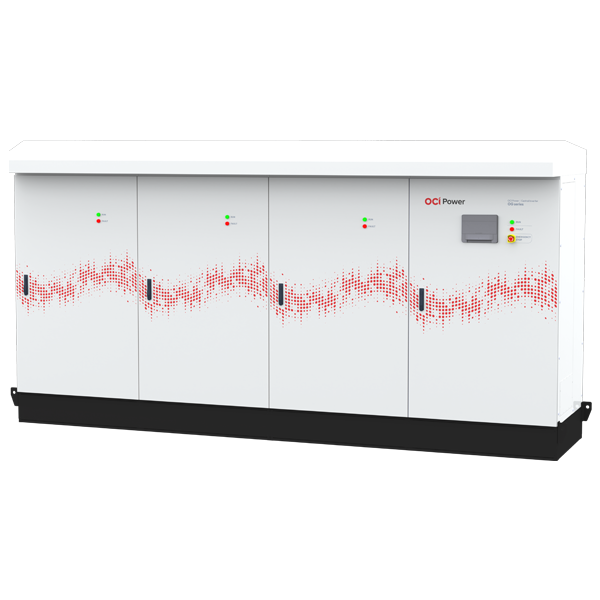
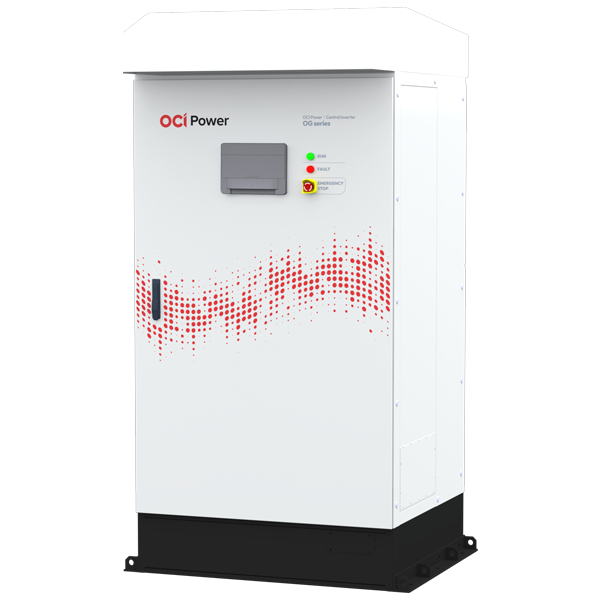
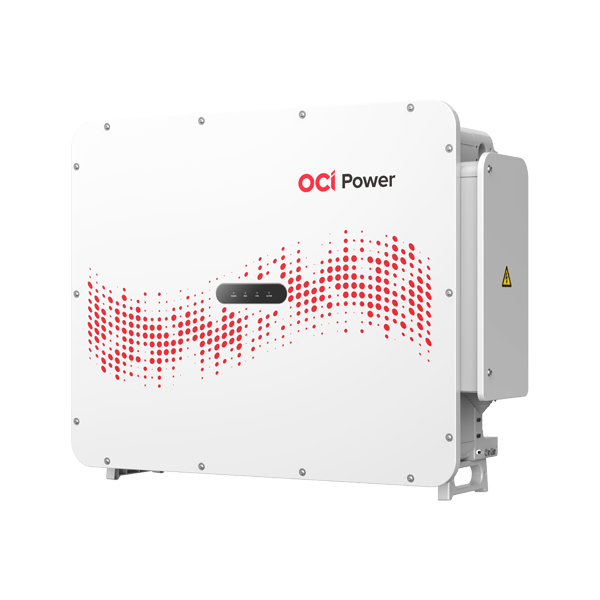
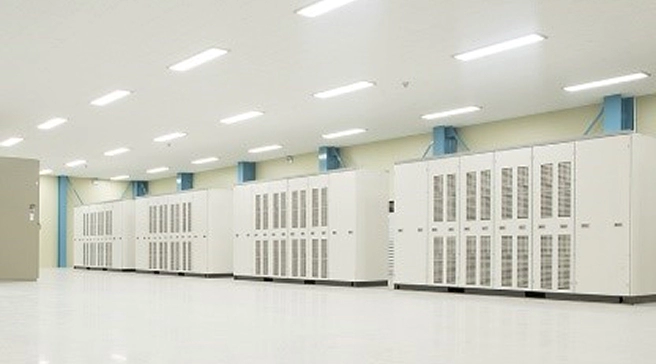
From Sunlight to Electricity: How Solar Power Generation WorksSolar power generation is a method of producing electricity by utilizing the light energy of the sun.When sunlight reaches the solar cells that make up a solar module, the semiconductor absorbs light energy, generating electrons and holes. The generated electrons and holes move in opposite directions due to the electric field inside the solar cell. Electrons move toward the n-type semiconductor, while holes move toward the p-type semiconductor, where they gather at their respective electrodes. The electrons then move through an external circuit, generating an electric current.Because solar power generates electricity using sunlight without burning fuel, it is an environmentally friendly form of power generation with no direct carbon emissions. It also produces very little noise or vibration during operation, allowing it to be used in a variety of settings, including homes and factories.However, electricity generated by solar cells cannot be used directly. To supply this electricity to the grid, it must first be converted. This is where the inverter plays a key role.[Term 1] Grid: An electricity supply network that delivers electricity generated by power plants to places where it is needed, such as homes and factories.The Key Device Connecting Solar Cells to the Grid: The InverterElectricity generated by solar cells is in the form of direct current (DC). However, the power grid uses alternating current (AC). An inverter converts the DC electricity generated by solar cells into AC electricity and supplies it to the grid.[Term 2] Direct Current (DC): A form of electricity in which electric current flows continuously in one direction.[Term 3] Alternating Current (AC): A form of electricity in which the magnitude and direction of electric current periodically change over time.The role of an inverter goes beyond simply converting electricity. Solar power generation is inherently intermittent, as the amount of electricity generated varies depending on weather and solar irradiance.In such conditions, the inverter controls the voltage and frequency of the electricity supplied to the grid, helping maintain stable power quality even when power generation fluctuates. It also monitors operating conditions in real time and protects the system when abnormalities occur.Types of Inverters: String Inverters and Central Inverters▲ String Inverter                                                                                                           ▲ Central InverterInverters can broadly be divided into string inverters and central inverters. Both convert DC electricity generated by solar cells into AC electricity, but they differ in how they process and manage power.A string inverter uses a distributed architecture in which an inverter is installed for each string. Because the power from each string can be independently converted and managed, string inverters are relatively easy to maintain and are suitable for small-scale solar systems, such as residential and commercial buildings.[Term 4] String: An electrical circuit consisting of multiple solar modules connected in series.A central inverter, on the other hand, uses a centralized architecture in which multiple strings are connected to and managed by a single inverter. It can integrate and manage the power generated by multiple strings and is capable of reliably converting large amounts of electricity, making it primarily suitable for large-scale solar power plants.So, which Korean company develops and manufactures these inverters? OCI Power.OCI Power’s Inverter Technology                ▲ OCIP 350 String Inverter                                           ▲ OG 4400 Central InverterOCI Power conducts inverter R&D at its R&D Center in Seoul and manufactures its products at its own facility in Gunsan, Jeollabuk-do.OCI Power’s inverter technology has received international recognition for its performance. Its inverters have been certified by the globally recognized certification body Bureau Veritas for a power conversion efficiency of 98.7%, demonstrating world-class performance.In the central inverter sector, OCI Power supplied Korea’s first DC 1,500V inverter in 2020 and has since expanded its product portfolio from 1.1 MW to 4.4 MW to meet the requirements of a wide range of projects.Based on this technological expertise, OCI Power has supplied inverters to various solar projects in Korea and overseas, including a large-scale 600 MW solar power plant in Texas, USA. Today, the company continues to expand its competitiveness in the power conversion market, backed by cumulative installations exceeding 12 GW worldwide.As the transition to renewable energy accelerates with the expansion of AI data centers and efforts toward carbon neutrality, the importance of power conversion technology continues to grow. Building on its accumulated technological expertise and extensive project experience, OCI Power is contributing to the transition toward sustainable energy.(Written by Jae-in Shin, OCI Power Press Corps)  

View Details
Why OCI Power Is Gaining Attention in the Era of AI Data Centers
Blog

Why OCI Power Is Gaining Attention in the Era of AI Data Centers

Powering AI: The Critical Role of ElectricityWhen we talk about the AI industry, the first things that often come to mind are semiconductors and GPUs. However, the true foundation supporting the AI era is electricity.As AI technology continues to advance, AI data centers are rapidly expanding, driving a significant increase in electricity demand. At the same time, as carbon neutrality has become a global priority, data center operators are facing the challenge of meeting growing power demand while also reducing carbon emissions. In response, global technology companies, including Google and Microsoft, are actively incorporating renewable energy into their AI data center operations.The Technology Connecting Renewable Energy with AI Data CentersSolar power generation is characterized by intermittency, meaning that the amount of electricity generated varies depending on sunlight conditions. For example, power generation may decrease at night or on cloudy days, making it difficult to produce sufficient electricity.To address this limitation, an ESS (Energy Storage System) stores excess electricity generated during the day and supplies it to the grid when solar power generation is insufficient, helping ensure a more stable power supply.However, the electricity generated by solar modules and the electricity stored in an ESS are both in the form of direct current (DC), which cannot be used directly by AI data centers. To be used by data centers, it must first be converted into alternating current (AC). Solar-generated electricity is converted from DC to AC by an inverter, while electricity stored in an ESS is converted by a PCS (Power Conversion System).Renewable energy does not end with power generation. For it to be actually utilized by AI data centers, electricity must be converted into a form that can be used by the facility. At the center of this process is power conversion technology.*[Term 1] Direct Current (DC): A form of electricity in which electric current flows continuously in one direction.*[Term 2] Alternating Current (AC): A form of electricity in which the magnitude and direction of electric current periodically change over time.“If I had to highlight just one of OCI Power’s technologies, I would introduce our power conversion technology.Inverters and PCS are, after all, equipment based on power conversion technology.” — Kim Seong-yeop, CEO of OCI Power                       ▲ OG 4400 High-Efficiency Modular Central Inverter                   ▲ OS 500 PCS for ESS                      OCI Power’s Global StrategyOCI Power identifies the United States as a key market for expanding its global business.Recently, the United States has been moving to strengthen regulations on Chinese-made power conversion equipment, including solar inverters, from a national security perspective. Because solar inverters and ESS PCS are critical components connecting renewable energy to the power grid, not only product performance but also the country of origin has become an important consideration.Against this backdrop, OCI Power is strengthening its competitiveness in the U.S. market based on its accumulated technological expertise and the trust associated with “Made in Korea.”The United States also saw rapid development of large-scale solar power plants throughout the 2010s, and OCI Power supplied inverters to numerous projects. As many of these plants have now been in operation for more than 10 years, demand for repowering is gradually increasing. OCI Power sees this growing demand as a new growth opportunity in the U.S. market, aligning with the company’s broader vision for future growth.*[Term 3] Repowering: A business involving the replacement of aging equipment at an operating power plant with newer equipment to improve power generation performance and efficiency.“OCI Power aims to continuously expand its systems and services based on our product competitiveness and ultimately grow into a company that provides integrated solutions to customers.”— Kim Seong-yeop, CEO of OCI PowerOCI Power continues to strengthen its competitiveness through ongoing technological development and global market expansion. As the importance of power infrastructure grows alongside the expansion of the AI industry, all eyes are on the future OCI Power is building.(Written by Jae-in Shin, OCI Power Press Corps)

View Details
OCI Power Official Website Renewal
Blog

OCI Power Official Website Renewal

Hello from OCI Power.We are pleased to announce the launch of our newly redesigned official website ✨, created to provide our customers with a more convenient experience and easier access to the information they need.✅ Easier and Faster Access to InformationThe primary goal of this website renewal was to create a more customer-centric and user-friendly experience. 👌 We have simplified and streamlined the website navigation, making it easier and faster to find the information you need. The new website incorporates OCI Group’s brand identity and features a responsive design optimized for PCs, mobile devices, and tablets.The website has also been reorganized to provide intuitive access to information about OCI Power’s products, solutions, and services, allowing visitors to quickly find the resources and information they are looking for.✅ New Content PagesTo strengthen communication with our customers and provide richer insights into OCI Power and the renewable energy industry, we have introduced several new content sections. Newsroom: Stay up to date with the latest news and press releases from OCI Power. → Visit the Newsroom Data Room: Access and download our company profile, product brochures, technical materials, and other resources. → Visit the Data Room Blog: Explore the latest solar industry trends, technical insights, and stories from OCI Power. We will continue to share useful and relevant content on a regular basis. → Visit the BlogThrough these new content channels, we aim to provide our customers with practical, valuable information while creating a platform that connects OCI Power more closely with our customers and the solar energy industry.✋ Our Commitment Going ForwardOCI Power continues to drive innovation toward a sustainable future by providing key solutions for the solar energy industry, including PV inverters, ESS PCS, EPC, and O&M services.With our renewed website and newly launched content channels, we will continue to develop our website into a valuable communication platform where customers can access useful information and expert insights.We sincerely appreciate your continued interest in and support for OCI Power as a trusted provider of renewable energy solutions.Thank you. 🙇

View Details